




Sensors form the basis of any reliable temperature control system. Within the ‘Sensors’ category on Warmtekabel, you will find a wide range of measurement solutions that ensure accurate monitoring of temperature and environmental conditions. This information is essential for the optimal control of heating systems, heating cables and control units.
Whether it’s industrial processes, frost protection for pipes or climate control in buildings, stable and efficient control is impossible without the right sensors. High-quality sensors ensure that systems respond precisely to the current situation, resulting in improved performance and lower energy consumption.
The role of sensors in temperature control
A sensor continuously measures the temperature at a specific location and transmits this data to a controller or thermostat. Based on this information, the system can automatically switch on or off, or adjust the power output. This ensures that the temperature remains within the desired limits.
This is particularly important in applications such as electric heating, heating cables and industrial installations. Without accurate measurement, there is a risk of overheating, undercooling or unnecessary energy consumption. Sensors ensure control and stability, enabling installations to operate more efficiently and reliably.
Different types of temperature sensors
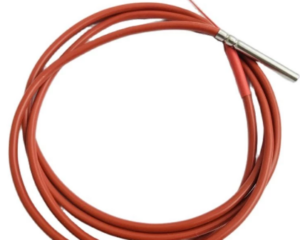
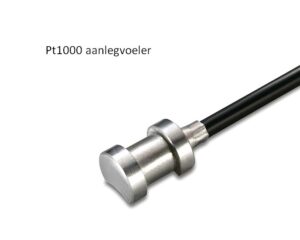
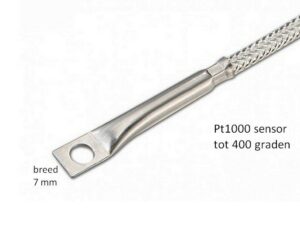
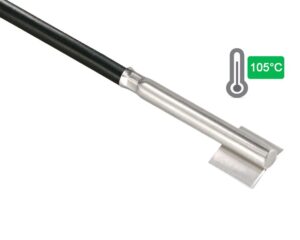
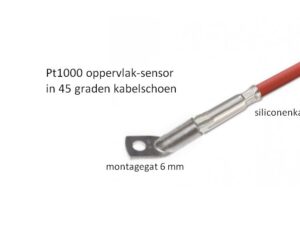
Within this category, various types of sensors are available, each designed for specific applications. For example, there are surface sensors that are mounted directly onto pipes or surfaces. These are often used in heating cable installations to accurately monitor the temperature of pipes.
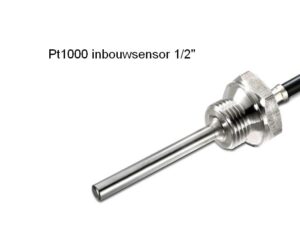
In addition, there are air sensors that measure the ambient temperature. These are widely used in areas where climate control is important, such as plant rooms, warehouses or homes. There are also immersion sensors for taking measurements in liquids, for example in tanks or reservoirs.
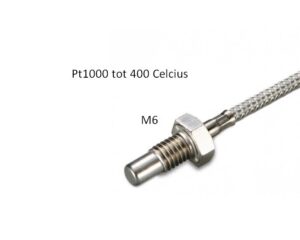
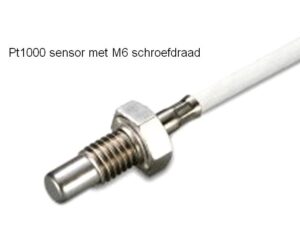
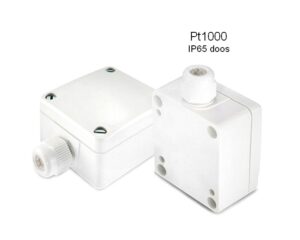
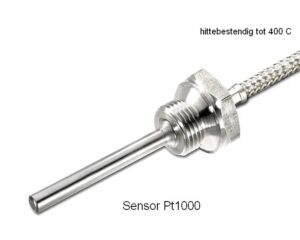
Depending on the application, a choice can be made between different measurement principles, such as NTC, PT100 or PT1000 sensors. Each type has its own accuracy, response time and range of applications, meaning there is always a suitable solution available.
Applications in heating and frost protection
Sensors play a crucial role in frost protection and temperature maintenance systems. In the case of heating cables, they ensure that the cable is only switched on when necessary. This prevents unnecessary energy consumption and extends the system’s service life.
In road surface heating systems, sensors are often combined with moisture and temperature sensors to automatically detect when snow or ice is likely to form. This ensures an efficient and fully automated system that is only activated under the right conditions.
In industrial applications, sensors are used to monitor processes and protect plant. Accuracy is of the utmost importance here, as even small temperature differences can have a significant impact on the quality and safety of processes.
Reliable measurements in any environment
The sensors in this category are designed to operate reliably under a wide range of conditions. They are resistant to temperature fluctuations, moisture and mechanical stress. This means they can be used both indoors and outdoors.
For outdoor applications, such as gutter or pavement heating, it is important that sensors are resistant to rain, snow and frost. In industrial environments, they often have to function in harsh conditions, such as high temperatures or aggressive environments.
By choosing high-quality sensors, you are assured of stable readings and long-term performance, which is essential for a reliable installation.
Integration with control systems and automation
Modern sensors can be easily integrated with thermostats, control units and complete building management systems. This makes it possible to create advanced and fully automated systems.
Combining multiple sensors provides an accurate picture of the situation, enabling systems to respond more effectively. This is particularly useful in larger installations or industrial applications where different zones need to be controlled separately.
Automation not only provides greater comfort, but also ensures more efficient energy use. Systems respond immediately to changes in temperature, without the need for manual adjustment.
Easy installation and wide compatibility
Sensors are generally easy to install and compatible with a wide range of control equipment. Many models come with standard connections, making them easy to integrate into existing systems.
Depending on the type of sensor, it can be mounted on a surface, inside a pipe or in a liquid. Thanks to this flexibility, the sensors are suitable for both new installations and extensions to existing systems.
Choosing the right sensor for your application
When selecting a sensor, it is important to take into account the application, the required accuracy and the environmental factors. Factors such as measuring range, response time and mounting method play a key role in making the right choice.
For simple applications, a standard air sensor or surface sensor is often sufficient, whereas for industrial installations, more accurate and robust solutions such as PT100 or PT1000 sensors are often chosen.
By choosing a sensor that is suited to your specific situation, you can be sure of optimum performance and reliable temperature control.
Discover our range of sensors
In the ‘Heating Cable Sensors’ category, you will find a comprehensive range of high-quality measurement solutions for temperature control and heating systems. These sensors form the basis for the efficient and safe operation of your installation.
With the right sensors, you can ensure accurate measurements, optimum control and a reliable system that responds to any situation. This makes sensors an indispensable part of any professional heating and control system.